What do you picture when you hear the words ‘car’s cooling system? A radiator? A fan? Maybe even your car’s AC? Most people think it’s just a few parts working quietly under the hood. But in reality, the cooling system is much more; it is the silent guardian of your engine, tirelessly managing heat, protecting vital components.
This challenge of controlling engine heat isn’t new. In the earliest cars, engineers relied on plain water to cool their engines, and it wasn’t until the late 19th century that Belgian engineer Jean Joseph Etienne Lenoir developed the first dedicated water-cooling system. Modern car cooling systems have come a long way since then. They not only regulate extreme engine heat but also protect the engine’s most critical components, the cylinder block and heads, pistons, gaskets, and lubricating oil, along with high-performance parts like the turbocharger and fuel system elements.
Why Cars Need a Cooling System?
Every machine generates heat. Even something as small as a smartphone gets warm during use. Now, compare that to a car engine. Unlike a smartphone, which produces only a small amount of heat, an engine creates it in large amounts. Fuel is always burning, and parts move fast under pressure, resulting in very high temperatures.
During combustion and continuous friction between moving parts, temperatures inside the engine can exceed 2000°C in some areas. If not controlled, this heat pushes engine components to their limits. Metal parts expand, cylinder heads can warp, gaskets may fail, and the engine’s internal structure starts to lose stability. This situation essentially forces the engine to fight against itself.
At the same time, too much heat makes fuel burn less efficiently and puts extra strain on important parts like pistons, valves, and bearings. These problems together make the engine work harder, wear out faster, and shorten its overall lifespan.
This is where the cooling system becomes essential. Maintaining engine temperatures within the optimal range of around 90 to 93°C, it ensures fuel combustion remains efficient, components operate safely, and the engine continues to perform reliably under all conditions.
And achieving this level of control is not the result of a single component, but a well-coordinated process involving multiple systems working together within the engine.
Types of Cooling Systems in Cars
Every car engine needs a way to control heat, but not all cars use the same type of cooling system. There are mainly three types used in automobiles: air cooling, water (liquid) cooling, and oil cooling. These are not always used together in every car; instead, they are used depending on the engine design, size, and performance requirements.
The air cooling system is the simplest type. In this system, heat from the engine is directly removed by air flowing over the engine surface through fins. It does not use any coolant, which makes it low-maintenance. But what really matters is that it is not very effective in controlling temperature, especially when the vehicle is not moving or is in traffic. Because of this limitation, it is rarely used in modern cars.
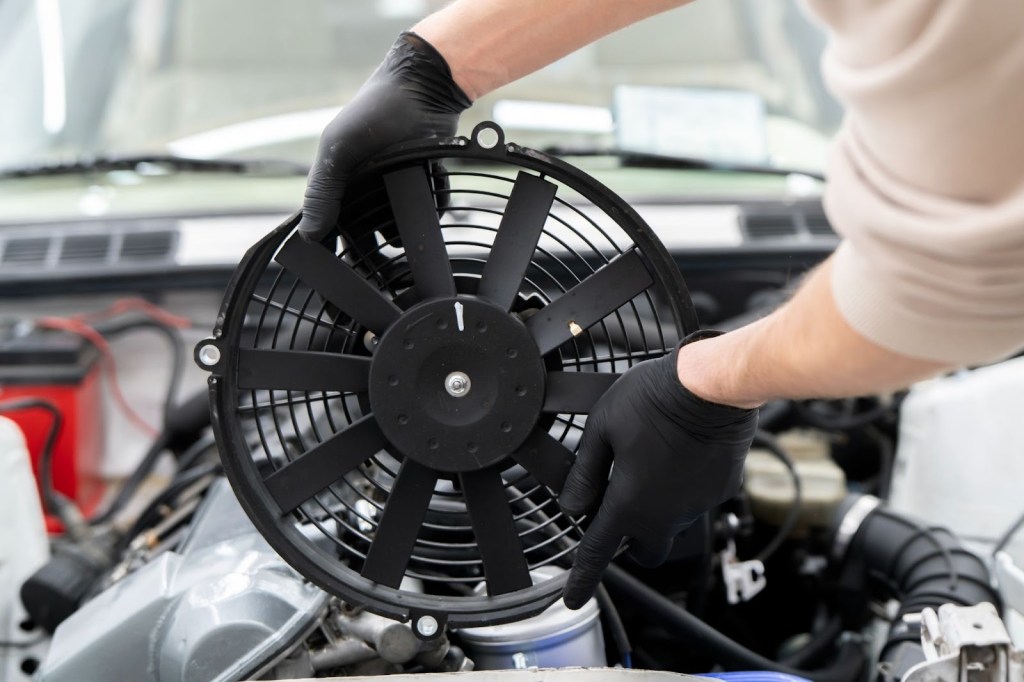
The water or liquid cooling system is the most commonly used system in cars today. This system uses components like a water pump, thermostat, and radiator fan to maintain a stable temperature. It works efficiently in all conditions, whether the car is moving fast or stuck in traffic. That is why almost every modern car uses this system.
The oil cooling system works differently from other cooling systems and usually supports the main cooling system rather than being used alone. Engine oil is the key here; it lubricates moving parts and also absorbs heat from the engine, helping in cooling. The hot oil flows through an oil cooler, loses heat, and returns to the engine. This reduces engine temperature and protects components. Oil cooling is especially useful in diesel or high-performance engines, but is less common than water cooling in most cars.
Since liquid cooling is the most common system in cars, here’s a look at how it works and keeps the engine running smoothly.
How the Cooling System Works?
Most people know about cooling systems in cars, but very few know how it actually functions. A car’s cooling system works as a continuous temperature control loop, moving heat away from the engine. You can think of it like a circulation system, similar to how blood carries heat through the human body. In this case, a liquid does the job.
The process begins with coolant, a mixture of water and antifreeze, flowing through the engine. As it moves through narrow passages in the engine block and cylinder heads, it absorbs heat generated by combustion and friction. This heated coolant is then pushed by the water pump towards the radiator.
Inside the radiator, the heat is released. The coolant flows through thin metal tubes surrounded by fins, and as air passes through either from the car’s movement or the fan, the heat is carried away into the surroundings. The flow of this coolant is carefully controlled by a thermostat. When the engine is cold, it restricts circulation to allow the engine to warm up. Once the temperature reaches the desired level, it opens, allowing coolant to move freely and maintain a stable operating temperature.
After releasing its heat, the cooled liquid returns to the engine, and the cycle continues a constant loop of absorbing, transferring, and releasing heat. And this cycle just keeps running, day in and day out, as long as the engine is running.
How to Know if a Car’s Cooling System Isn’t Working Properly
1) Engine Overheating: The temperature gauge rises quickly or stays in the red, the engine is getting too hot.
2) Coolant Leaks: Notice puddles under the car or low coolant levels in the reservoir.
3) Steam from the Hood: White steam or smoke indicates the coolant isn’t circulating properly.
4) Unusual Smells: A sweet smell (coolant) or burnt odor signals leaks or overheating.
5) Heater Problems: If your car’s cabin heater isn’t blowing hot air, the cooling system may be failing.
6) Noisy Radiator or Hoses: Hissing, gurgling, or bubbling sounds mean trapped air or coolant flow issues.
The Bottom Line
Ignoring warning signs of a failing cooling system can silently harm your car in ways you might not notice immediately, such as reduced fuel efficiency, increased engine wear, or strain on other components like the radiator and hoses. Regular checks help maintain optimal engine performance, prevent unexpected breakdowns, and extend the life of your vehicle.
Don’t wait for a complete engine failure. Visit Grease Monkey, a professional multi-brand workshop in Gurugram. The expert technicians at Grease Monkey can get your cooling system back in top shape and keep your engine running worry-free.
Contact us today to book your appointment.

 Grease Monkey
Leave a comment