Your car battery is a silent workhorse; it powers every start, every light, every beep of your dashboard, and yet most of us don’t give it a second thought until it fails. In Delhi NCR, this quiet hero faces some of the toughest tests imaginable. In the summer of 2025, temperatures regularly climbed above 45°C, sometimes peaking at 46.3°C to 46.5°C during brutal heatwaves, slowly draining and corroding even the strongest batteries.
And in winter, Delhi NCR can drop to 3°C, which puts a completely different strain on your car’s battery. Both extremes are tough in their own ways: summer slowly weakens the battery over time, while winter exposes its weakness instantly.
To truly care for your battery and make it last longer, you must first understand what kind of battery powers your car, since not all batteries are created equal and each type has its own strengths, weaknesses, and maintenance needs.
Types of Batteries Used In Cars
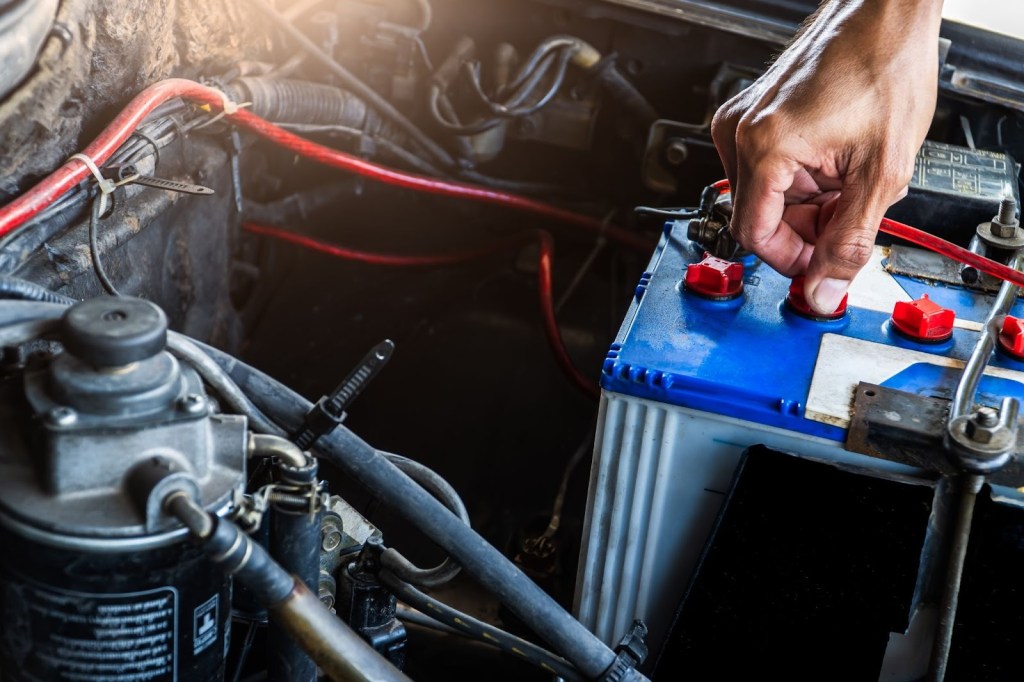
- Flooded Lead Acid Battery: This is the traditional battery that powers most petrol and diesel cars on Indian roads. It needs clean, tight terminals, occasional voltage checks, and protection against deep discharge. Ignore it for too long, and sulfation slowly eats away at its strength. Treat it well, and it will quietly serve you for years.
- Enhanced Flooded Battery (EFB): Designed for cars with start-stop systems, the EFB lives a tougher life than a regular battery. Every traffic signal restart demands energy. It thrives on proper charging and longer drives that allow it to recover fully. Repeated short trips without recharge slowly drain its resilience.
- Absorbent Glass Mat (AGM): Found in premium and feature-loaded cars, AGM batteries handle heavy electrical loads with confidence. They are sealed and vibration-resistant, making them stronger under pressure. But they demand precise charging and professional diagnostics when needed. Overcharging or neglect can shorten their lifespan, even when advanced.
- Lithium-Ion Battery: This is the heart of electric and hybrid vehicles. Lightweight and powerful, it relies less on physical maintenance and more on intelligent battery management systems. Temperature control and proper charging cycles are critical.
- Dual Battery Systems: Many hybrids carry two batteries, a high-voltage traction battery and a 12V auxiliary battery. While the main system is electronically monitored, the smaller 12V battery still needs traditional care. Clean connections and routine health checks remain essential to avoid sudden surprises.
Each type of battery has its own strengths and limits. How it reacts to heat, cold, or heavy use depends on its design. Knowing this sets the stage for smarter maintenance and practical steps that can actually extend its life.
Major Factors That Reduce Car Battery Life in India
- Heavy Traffic and Short Commutes: In tier 1 cities, cars often crawl through traffic for hours, especially during peak times from 9:00 am to 7:00 pm. Batteries are designed to deliver a strong burst to start the engine and then recharge while driving. But frequent short trips and stop-and-go traffic mean the alternator rarely has enough time to fully recharge. Over time, this partial charge operation leads to sulfation, a buildup of lead sulfate crystals on the plates, which permanently reduces the battery’s ability to hold a full charge and deliver enough power to start the engine reliably.
- Irregular Vehicle Usage: Many households in India own a second or third car that sits idle for weeks at a time. Without regular use, the battery slowly self-discharges, and chemical reactions inside can create imbalances that weaken it. By the time the car is needed, the battery may struggle to crank the engine, especially in winter.
- Poor Maintenance Awareness: Regular voltage checks and terminal cleaning are often overlooked. Many car owners wait for the mechanic to point out issues rather than monitoring the battery themselves. Modern BS6 cars and mild hybrids (including dual-battery systems) require careful attention: improper charging, prolonged idle periods, or ignored warning signs can accelerate degradation.
- Dependence on Mechanic-Only Checks: Understanding these factors is key. Once you see how traffic patterns, usage habits, climate, and maintenance routines interact with battery chemistry, you can take smarter steps to protect this silent workhorse and keep it performing reliably.
Here are five practical ways to protect your battery, preserve its capacity, and keep it performing reliably for years.
- Avoid Frequent Short Trips and Drive Regularly: When the engine runs only briefly, the battery doesn’t fully recharge, leaving some cells stressed. Over time, some cells weaken, making it harder for the battery to store and deliver power. The first signs are subtle, such as headlights, a slower engine cranking, or difficulty starting after sitting idle.
To prevent this gradual weakening, combine multiple errands into a single trip whenever possible, giving the battery enough time to recharge fully. If your car remains unused for more than a couple of weeks, either disconnect the battery or connect it to a smart battery maintainer to keep the cells topped up without overcharging. Occasional longer drives restore a full charge and keep the electrolyte evenly mixed, preventing stratification and uneven plate wear.
In petrol and diesel cars, these habits can make the battery last much longer, while hybrids and EVs rely on smart charging systems that take care of themselves, though they still need the right attention. - Reduce Electrical Load When the Engine Isn’t Running: When the engine is off, the alternator stops generating power, and every electrical accessory, from headlights to dashboard lights, draws directly from the battery. This is known as parasitic drain or “vampire load.” Over time, constant draw, even at low currents, slowly depletes the battery and stresses its plates, reducing lifespan.
The good news is this can be managed with simple habits, such as starting the engine before switching on heavy loads, avoiding leaving lights or devices on while parked, and minimising idling when accessories are running, so the battery isn’t repeatedly stressed in a partially discharged state. In technical terms, this preserves the plate integrity and electrolyte balance, which are critical for consistent cranking power. - Protect the Battery from Temperature Extremes: A battery’s health is deeply tied to temperature, and in India, the swings can be brutal. This speeds up fluid evaporation, corroding internal plates and weakening chemical reactions, gradually sapping the battery’s ability to hold a charge. Meanwhile, in winter, cold slows down the chemical reactions and increases internal resistance, making it harder to deliver the power needed to start your car.
Keep your battery safe by parking in the shade or using a sun cover, topping it up with a battery tender in cold weather, cleaning terminals, securing it against vibrations, and replacing it every 3–5 years. - Mechanical Damage and Corrosion: Road vibrations, potholes, and uneven terrain common in many Indian cities exert physical stress on battery plates and connections. Continuous vibration can loosen internal plates, potentially causing micro-shorts, while loose clamps increase terminal resistance and accelerate chemical wear.
Corrosion on terminals and connectors adds another layer of resistance, reducing effective power delivery. How can one prevent this? Regular inspection, tightening of clamps, cleaning terminals, and applying protective anti-corrosion grease prevent both mechanical and chemical degradation, ensuring reliable electrical flow and prolonging battery life. - Monitor Battery Health Regularly: A battery rarely fails suddenly. Most weaken gradually before complete failure, showing subtle signs like dimming lights, slower engine cranking, or a drop in resting voltage.
Technical monitoring, using a multimeter to check the resting voltage or an onboard battery management system in modern cars, can detect these early warning signs. By identifying weaknesses early, you can address issues before they leave you stranded. This proactive approach maintains electrochemical balance, prevents deep-discharge cycles, and ensures the battery consistently delivers peak current, especially crucial in cities with extreme temperatures and heavy traffic.
Stay Ahead of Battery Trouble with Grease Monkey (Gurgaon)
Even when everything seems normal, a battery check at the right time can prevent inconvenient surprises. Scheduling a battery health inspection during periodic service, before a long drive, or after heavy usage helps ensure your car’s electrical system stays dependable.
At Grease Monkey, the focus goes beyond routine servicing. Their technicians carefully inspect battery health, charging performance, and electrical connections to catch issues early before they turn into roadside problems. And if a replacement is needed, they recommend genuine batteries suited to your vehicle, ensuring reliable performance in Gurgaon’s demanding traffic and climate.
Because with the right care and the right experts, your battery keeps doing what it’s meant to do: start your car every single time.
Book your battery health check-up today at Grease Monkey.

 Grease Monkey
Leave a comment